Hardwood flooring from Colonial Floors offers warmth and lasting beauty to your home.
Contact Colonial Floors to learn more about the benefits of hardwood floors such as the home value, easy care, great style and durability.
770-337-6393 or email
Laminate flooring from Colonial Floors offers the beauty and warming affect of natural wood at an affordable price.
Contact Colonial Floors to learn more about how laminate flooring might be the right choice for your floor.
770-337-6393 or email
Carpets from Colonial Floors offer exceptional versatility, comfort and style. It's simply a great foundation for your feet and your room decor.
Contact Colonial Floors to learn more about your carpeting options.
770-337-6393 or email
Tile Floors from Colonial Floors is the perfect surface material for bathrooms and kitchens and just about any other room in you house.
Contact Colonial Floors to learn more about your tile options.
770-337-6393 or email
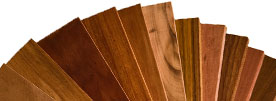
Flooring Guide
Learn more about the types of hardwood flooring, hardness, species, as well as carpet construction, carpet types and tile choices.
 |  |
Please enter the e-mail address associated with your User account. Your username will be e-mailed to the e-mail address on file.
Atlanta Flooring News
Why Does This Wood Floor Finish Have a Milky Cast and Uneven Sheen?
The Problem
I got a call about a floor with finish that showed a definite milky cast—sometimes described as a hazy look—in the overall appearance of the floor. In addition, there were differences in luster throughout the floor.
The Procedure
The 2¼-inch red oak floor was installed and sanded. A catalyzed water-based finish in a satin sheen was applied. The first two coats were applied and dried normally. They were clear and even in appearance.
When the final coat was applied, the floor was normal looking. A day later, the contractor received a complaint that the floor was hazy-looking. When he went back and looked at the floor, there was a definite white, hazy cast to the floor, and he noticed the floor had an uneven luster.
The Cause
In discussing the finishing process with the contractor, it was discovered that on the day the final coat was applied, it was raining outside, so the contractor couldn’t open any of the windows. The humidity was high and the air was cool, although the house had heat and the floors were not cold. By not opening windows or adding ventilation, the moisture from the water-based finish was trapped in the house. The finish could not dry properly, as the drying process of the co-solvent and water in the finish were slowed down dramatically.
Additionally, the extra trapped water hydrolyzed the catalyst in the coating, preventing it from curing the finish.
In cases like this, not only is the film hazy, it also is usually soft enough to put a fingernail into the surface. Trapping the water and co-solvent would also keep the film wet longer, allowing it to soak in differently in different places on the floor. This would account for the uneven luster when the finish dried.
How to Fix the Floor
If this is truly only in the final coat, a good screening to open up the surface and allow the trapped solvent and water to come out for 24 hours before applying finish will help clear the film. Then, a good wet coat of finish should be applied, allowing the proper drying conditions and ventilation.
Remember that with satin finishes, the heavier the coat, the shinier the finish, and the thinner the coat, the duller the finish. So, apply the finish very evenly and with a uniform wet film thickness, and make sure there is good ventilation for drying.
If the haze is in more than one coat, the contractor must start over by sanding off the finish. Screening deep enough to take out more than one coat is possible but is not an efficient use of time. Also, screening that deep is hard to do without leaving severe scratches that would have to be removed by starting over anyway. So, it’s best to bite the bullet, dig out the drum, and start sanding.
In the Future
On those cold wet days when the windows cannot be opened for proper ventilation, there are two ways of preventing this condition from happening (sometimes both may be necessary):
1) Set some 20-inch box fans around the house on timers set to turn on slow speed a half hour after you leave. This circulates air throughout the house and helps pick up moisture everywhere in the building.
2) Relative humidity is just that—relative to the temperature. Turning the heat up to 90°F would allow the air to pick up more water, since the warmer the air, the more water it will hold.
Prefinished hardwood Atlanta GA
Prefinished builder grade hardwood $4.25 installed!!! Natural or butterscotch color
HOW TO SET SUBWAY TILE IN A BRICK PATTERN
Step 1: Attach a Ledger Board
Measure up from the cabinets for the thickness of the countertops and attach a ledger board at that height.
Step 2: Set the First Row of Tiles
Scrape the wall with a putty knife to be sure you have a smooth, even surface to work with. If the tile runs behind the refrigerator, start at the opposite end with a full tile in the corner.
Set the first row of tiles so they will run about 6" beyond the edge of the refrigerator. Use tile spacers to ensure even spacing.
Spread the mastic with a 3/16" V-notched trowel held at a 45-degree angle. The grooves allow for air to get under the tile and harden the mastic.
Step 3: Continue Setting Tiles
For a classic brick pattern, start the second row with a tile cut in half and continue the row with full tiles. Use a wet saw to cut the tiles.
How to clean hardwood floors
As wood floors have grown in popularity, so have products and ideas about how to maintain a wood floor. There are HGTV hosts telling viewers to use apple cider vinegar mixed with water for a "green" wood floor cleaner, commercials hawking mops that use hot steam to sanitize a floor, and even a popular author recommending that people use olive oil to clean their wood floors. It's no wonder that consumers get confused about what they should do to maintain their floor ... and no wonder that wood flooring contractors come across some real messes when they visit the homes of complaining customers. Here are some common wood floor maintenance questions today's consumers are asking, and answers you can give them.
Q: Can I use one of those steam cleaners advertised on TV on my wood floor?
Everyone has seen the commercials showing a steam cleaner magically sanitizing, disinfecting, deodorizing, and cleaning a wood floor. But that doesn't mean that wood flooring manufacturers or finish manufacturers think steam cleaners are appropriate for a wood floor; in fact, some have begun to specifically mention steam cleaners in their list of don'ts. Inspectors are also starting to come across floors that appear to have been destroyed by repeated steam cleaner use. Peeling finish, whitening finish and cloudy finish are just some of the side effects being reported by people looking at floors after steam cleaning. In general, the oft-repeated industry saying "Water and wood don't mix" holds true. Unless the wood flooring or finish manufacturer says it's OK, it's safest to assume steam cleaning is a no-no on a wood floor.
Q: I read that a good wood floor cleaner is vinegar with water; is that OK?
Vinegar and water used to be a typical recommendation for cleaning wood floors with a urethane type of finish. These days, however, most manufacturers recommend cleaners that are specifically formulated for wood floor finishes; in fact, vinegar is acidic, and using too much could damage the finish. People who insist on still using vinegar should use plain vinegar—not apple cider vinegar, red wine vinegar or any other type, which could leave a sticky residue on the floor.
Q: I keep hearing that I should find out which maintenance products are recommended by the finish manufacturer. But I have no idea whose finish is on our wood floors. What should I use?
The vast majority of wood floors around today, whether they were finished on-site or are factory-finished, have some sort of urethane-type finish. For those finishes, a cleaner recommended by any major wood floor finish or wood floor manufacturer should be just fine. (To check if your floor has some other type of finish on it, and what to do if it does, see the sidebar "Which Finish Do You Have?" at the bottom of this article.) A safe bet is to stop by a local wood flooring retailer and find out what they recommend and sell for use on wood floors. Not all maintenance products that are labeled for use on wood floors are recommended by major finish and wood flooring manufacturers. (In fact, some may even void your floor's warranty.) For one reason, see below.
Q: I've been using a product on my wood floor that says it is a wood polish/conditioner. Now it seems like my floor has a sticky film all over it, and I can see footprints in it. How do I get this residue off?
Unfortunately, many consumers are bewildered to discover that, although the product they used said on the label it was for wood floors, it wasn't really recommended for wood floor finishes ... and now they have a big mess on their hands. Some of these products seem to leave a film on the floor that is very difficult to remove. Others may not leave a sticky film but may cause contamination problems down the road when the floor needs to be refinished. If you know the manufacturer of the wood floor or the finish on the floor, call and ask for their recommendation as to what to do. If you don't know, you'll need to call a local wood flooring professional. He or she may be able to use a product specifically designed for stripping such residue off a floor. If not, the floor will probably require resanding.
Q: Can I vacuum my wood floors?
Vacuuming wood floors is a great idea. Dirt and particles that are left on the floor act like an abrasive when people walk on them, so vacuuming them as often as possible will prolong the life of the finish. One caveat: Don't use a vacuum with a beater bar, which can damage the finish.
Q: We bought a different area rug to go under our dining room table, and it's a different shape from the old one. Now you can see the lines of where the old ones were. How do I get rid of them?
Wood is a natural product, and as it oxidizes and is exposed to light, it changes color. Some species—American cherry, Brazilian cherry and others, especially exotics—are known to change color drastically. There is no way to prevent this, although waiting as long as possible (ideally, at least six months) after the floor is installed to place rugs can help. So can moving area rugs from time to time. If you already have distinct lines on the floor, though, there isn't usually a quick fix to remove them (even resanding won't always remove the color difference). The unexposed part of the floor will eventually "catch up" to the rest of the floor, if you can live with looking at the floor as-is until then.
Q: I moved the throw rugs I had in my kitchen, and now I can see the pattern of the back of the rug on the floor. How do I get that off?
Many area rugs have backings that grip the floor but are unkind to wood floor finishes. The plasticizers in the backings actually damage the finish; it's this chemical change that is creating the pattern you see on the floor. So, unfortunately, no amount of cleaning is going to remove what you see. Having the floor abraded and recoated by a professional may be enough to remove the marks; but it's likely that the floor must be resanded. In the future, remember that only rugs with a natural backing are safe to use on a wood floor.
Q: I thought my contractor could just put new finish on my floors, but he's telling me they should be resanded. What does that mean? How do you know?
When your contractor talks about "recoating," that means he's going to lightly abrade the finish on the floor and put a new coat of finish on, or he's going to use a chemical recoating system that can put a new coat of finish on the floor without any abrasion. When he says "resand," that means resanding the floor down to the bare wood and starting over—a much longer and involved process.
One big indicator that tells you if you need a recoat or a resand is how much finish is left on the floor. If there are bare spots on the floor, where there isn't any finish left, you can't just recoat. A floor with bare spots has to be resanded.
Beyond that, recoating versus resanding is largely a matter of your expectations. If you want your floor to look like new, you will need a resand. If you can live with still seeing some scratches, dents and other damage to the floor, recoating is probably the way to go. Be aware, though, that recoating can seem to highlight the imperfections that are left in the floor. (To see examples of the sort of damage that does and doesn't go away with typical recoating, see the "Realistic Recoating" sidebar on page 38.)
Q: I saw a product at a big box store that says it will restore the shine to my floor; I just have to clean the floor and mop it on. Can I do that instead of getting my floors recoated?
There are various products on the market that promise to make your floor look like new without having to actually sand or recoat the floor. These products are usually an extremely thin finish that you can apply yourself.
The first thing with such products is to make sure they will be compatible with the finish on the floor and won't contaminate your floor for future recoating. If you know the manufacturer of your finish or your floor (in the case of a factory-finished floor), ask them before using the product.
Second, be aware of typical pitfalls when using a product such as this. You must clean your floor extremely well before applying the product; if you don't, you'll be adhering dirt and debris right into the floor. Also, be aware that, because the product is so thin, it wears off quickly and often unevenly. So, no, products like these aren't anything like the results you would get from having your floor professionally recoated.
Q: I have a squeak in the old wood floors in one of my bedrooms. I read that I can put baby powder in the floor to fix the squeak. Does that work?
Getting talcum powder or graphite into the small gaps around squeaking boards may be a short-term fix, although any time you put something that isn't recommended on the floor you run a risk of contaminating the floor for future recoats. The best option for squeaks is to solve the problem, which, for squeaking floors, is a loose board. There are many ways and products to address that, from screwing down the board from below to using epoxy repair kits.
Underlayment
For wood floors, underlayment can be more than just padding, and understanding the features that offer benefits beyond cushioning can enable installers to recommend the best fit for their customers.
First, consider the factors that play into your choice of underlayment: the type of floor (solid, engineered, or floating) and the performance goals for the underlayment as part of the floor assembly.
The composition and characteristics of underlayment vary widely. Going beyond the basics, underlayment can include: sound abatement and reduction in sound transmission between floors; insulating qualities; compression resistance; the ability to smooth minor floor imperfections; moisture protection; and the ability to be installed over radiant heat. (Some underlayment actually incorporates radiant heating elements, eliminating an installation step). Also, some underlayment is made from environmentally safe recycled materials.
There are jobs where you may want to take advantage of multiple attributes. For example, for an installation where a new floor is replacing old vinyl asbestos tile, it can be helpful to have underlayment with adequate compression resistance to properly support the floor while dispersing the impact energy of each footfall (lessening strain on knee and hip joints), and you also may want it to minimize small floor imperfections. As long as the VAT is secure, using this type of underlayment can eliminate the need for a potentially hazardous tear-out that could release dangerous fibers into the air. Or, the same type of underlayment can be glued directly over secure old vinyl composition tile, offering a smooth surface ready for the finish flooring without having to first remove the old tile and prepare the underlying subfloor.
Sound absorbing, or acoustic, underlayment quiets impact sound and inhibits noise from traveling into the room below. Acoustic underlayment is available in various materials, including polyethylene or polystyrene film, cork, rubber, and fiber, and some acoustic underlayment enables engineered wood to sound more like solid wood. In multi-family housing units, acoustic underlayment must at least meet local code; exceeding the code can go further to help prevent complaints.
Some underlayment has insulating properties. Insulating underlayment with an R-value of at least 0.50 acts as a thermal break, helping keep a room warmer in the winter and cooler in the summer.
Under engineered wood, underlayment with moisture management reduces the possibility of mold growth under the finished wood floor and can prevent subfloor or incidental perimeter moisture from marring the floor.
For floor installations that are part of green building projects, eco-friendly underlayment without VOCs can be an easy upsell. You’ll want to choose underlayment that is third-party-certified for low emissions and is also manufactured substantially or totally from recycled fibers. Incorporating this type of underlayment may enable the flooring assembly to contribute to earning LEED credits.
Electric radiant heat underlayment for under floating wood flooring can distribute quiet, clean hypoallergenic electric heat evenly throughout a room, providing supplement heating overall. This type of underlayment can also be adhered to the floor for glue-down wood.
The next time you have a job that requires underlayment, make sure you and your customer are getting the most out of it.

See Our Work
Visit our gallery to see the quality of our work in hardwoods, carpet and tile. See why so many people in Metro Atlanta and North Georgia choose Colonial Floors.

Colonial Floors serves the following Metro Atlanta areas:
Bartow County, Carroll County, Cherokee County. Clayton County, Cobb County, Coweta County. DeKalb County, Douglas County, Fayette County, Floyd County, Forsyth County, Fulton County, Gilmer County, Gordon County, Gwinnett County, Haralson County, Paulding County, Pickens County, Polk County, Rockdale County.